Weekends with indoor play area for children small kids are a puzzle with moving pieces. You want fun, but not chaos. You want safe spaces, but not sterile boredom. And when weather swings from blazing sun to sideways rain, an indoor playground with a cafe starts to look like the holy grail. I’ve logged my share of Saturdays in sock-only zones, from toddler-only nooks to obstacle courses that would humble a CrossFit coach. What follows isn’t a list of every option in town, but a play-tested guide to what makes a kids indoor playground worth your time, your money, and your kid’s nap.
What makes a great indoor playground
The best kids indoor playgrounds balance three things: movement, imagination, and downtime. They’re not just bigger versions of the backyard slide. They let kids climb, crawl, splash in sensory tables, build forts, and practice risk in controlled doses. They also give grownups sight lines, coffee that isn’t burnt, and clear rules that keep the place humming.
I look for a few practical markers. Age-zoned areas keep toddlers safe from big-kid stampedes. Surfaces that aren’t slick mean fewer face plants. Inclusive features matter, not just because they’re “nice to have,” but because they serve real families. That can include wheelchair-accessible ramps integrated into play structures, sensory-friendly corners with dimmer lights, visual schedules, and quiet rooms for decompression. If the space bills itself as an inclusive playground, I expect staff who actually understand inclusive play for kids and don’t treat accommodations as an afterthought.
Then there’s the cafe equation. An indoor playground with cafe can be a blessing or a bait-and-switch. A playground with cafe should serve practical food that kids actually eat, not just pastries and sugary drinks. Add parents’ sanity savers like oat milk, decent espresso, and some protein. The best ones figure out how to run a cafe with indoor playground logistics: staggered entry times, table numbers that match shoe cubbies, and a sink within arm’s reach.
A morning built around a toddler indoor playground
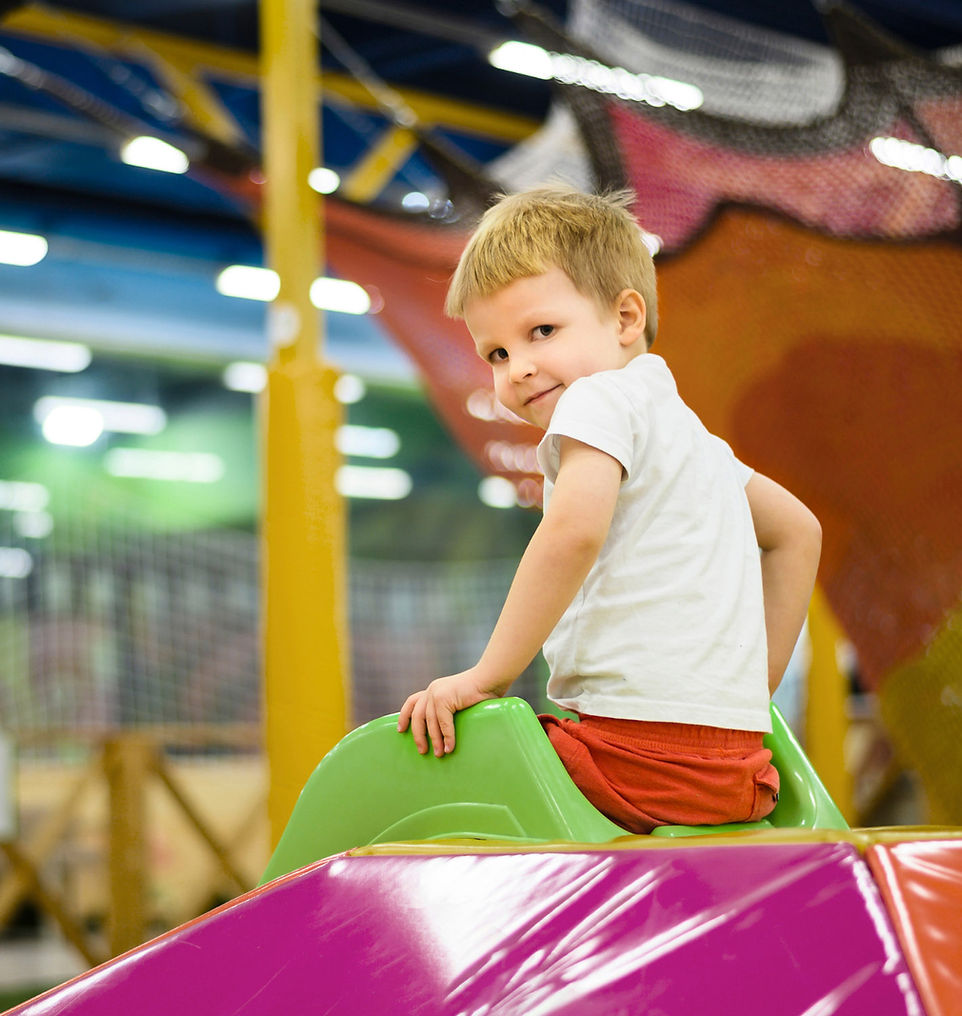
If you have a child under three, you already know the tempo of the day is set by naps. A toddler indoor playground needs to hit the sweet spot. Low platforms with soft landings. Push toys that don’t tip. Ball pits that aren’t deep enough to swallow a child whole. The best setups cap capacity, which does more for safety than any posted rule.
One Saturday last spring, we tried a new spot with a sprawling toddler zone tucked into the far end. The place had floor-to-ceiling netting, a gentle ramp instead of steep steps, and a mini carousel that turned slowly enough for even new walkers. But the real winner was the quiet pod: a small nook with padded walls, soft books, and sensory tiles that squished under your hands. When my daughter got overwhelmed by the squeals near the slide, we retreated there for five minutes, then rejoined without tears. That small design decision turned a meltdown into a reset.
A good toddler area also communicates safety nonverbally. Low sight lines tell you the staff understands that toddlers disappear behind structures if you can’t scan the room quickly. Gates that close automatically beat a sign saying “Parents must supervise.” Rubberized flooring grips socks instead of becoming a skating rink.
Food matters too, even if all your child wants is pretzels. I’ve learned to check if the cafe serves fresh fruit and yogurt alongside the inevitable grilled cheese. Half a banana, a few cucumber slices, and everyone’s mood improves. A kids indoor playground that lets you bring a labeled water bottle into the play zone tends to be run by people who’ve actually parented.
Big-kid challenges that build grit, not just sweat
Once kids hit five or six, they want height and speed. Think rope bridges, spider-web towers, and slides that twist more than once. The trick is finding places that push them without encouraging reckless leaps from the top of the structure. You can tell a well-designed big-kid section by the number of controlled entrances and exits. Two or three points make it easy for staff to monitor flow. Fifteen dangling ropes encourage chaos.
Our favorite setup has a suspended obstacle trail you “earn” by climbing a gentler series first. That gradual build turns fear into a solvable challenge. I’ve seen cautious kids climb higher each visit, because the course is predictable and rewarding. Watch for staff who wander with their eyes up, not just glued to the counter. At one venue, a play attendant saw a boy freeze at a crossing, calmly stepped onto the platform, and talked him through it from a safe distance. No theatrics, just practiced support.
For older kids, cafes that stock real food matter even more. They burn through snacks at a ridiculous pace. We usually split a turkey wrap and an extra side of hummus. I like when a playground with cafe offers small portions and short lines. Give me a server kids play café who can say, “We can cut that in half and skip the chips,” and I’m loyal.
The quiet power of inclusive design
An inclusive playground isn’t a separate room. It’s a mindset, written into the structure from the first bolt to the last coat of paint. When places get this right, you notice it in a dozen small ways. Platforms are wide enough for a wheelchair, and the fun parts are on the route, not off to the side. Slides come with side rails and a gentle grade so kids with weaker core strength can still participate. Sensory panels sit at different heights. Lighting can dim for sensory-friendly hours without turning the room into a cave. There’s a posted visual schedule. Bathrooms include adult-sized changing tables, not just baby ones.
Parents who care about inclusive play for kids also pay attention to language at the front desk. If the staff knows where the noise-reducing headphones are, understands their quiet room policy, and handles meltdowns without side-eye, that tells you more than any “inclusive” label on the website. I’ve seen a manager kneel to a child’s level, use a simple first/then script, and hand the parent a laminated card with icons. That two-minute interaction set the tone for the whole visit.
Don’t discount the value of a separate sensory corner even in places that aren’t formally branded as inclusive. A small soft space with fidgets and weighted lap pads helps kids who run hot, and those who just need a break between sprints on the trampoline. It keeps more families in the game longer, which is good business any way you slice it.
Safety without killing the fun
The tension between safety and adventure is real. If a place pads every edge, kids get bored. If they go full free-range, someone leaves with a split lip. The sweet spot is designed risk: open staircases with railings that challenge balance, slides that start high but exit onto padded ramps, and climbing walls with multiple routes and thick crash mats.
Shoes-off policies help, provided the floors are cleaned often. I look at sock rules too. Grip socks may be required, which is fair, but it’s nice when they offer loaners in case you forgot. Netting should be taut, not sagging. Zip ties that jut out are a no. Anchor points on climbing nets should face inward so they don’t snag clothing.
I also test the time limits. Places that limit entry to two-hour windows keep crowding down, which does more for safety than another posted warning. A short staff briefing at the start of a timed session sets expectations fast. When staff say, “Slides go feet first, no head-first racing,” and then enforce it, kids adapt in minutes.
How to choose the right spot for your family
It’s easy to be lured by glossy photos. The real decision happens in the details that don’t fit in an Instagram square. Before you spend your Saturday in a car queue, scan a few specifics.
- Capacity and session structure. Do they cap numbers and run timed sessions, or is it a free-for-all? Ask what a sold-out session looks like. Age zoning. Is there a dedicated toddler indoor playground area that’s truly separate and staffed, or just a corner with foam blocks? Inclusive features. Look for real accommodations: ramps embedded in play, quiet room policies, sensory-friendly hours, and staff training. Cafe quality. Check for protein options, fresh fruit, and decent coffee. A playground with cafe that only sells sugar crashes fast. Cleanliness cadence. How often are high-touch surfaces wiped during a session? What’s the policy on sick kids, and do they actually enforce it?
What to pack, and what to leave in the car
You don’t need to haul half the nursery to an indoor playground. A small backpack usually does it. Grip socks for everyone, a labeled water bottle, a change of clothes if your child gravitates to sensory bins, and a compact packet of wipes. If your child uses AAC or noise-canceling headphones, keep them within reach, not buried under snacks. I bring a small carabiner to clip the water bottle under our table so it doesn’t roll away.
Leave bulky strollers when you can. Hallways clog fast. Many venues now offer stroller parking near the entrance, which helps traffic flow. If you do bring one, opt for a lightweight umbrella stroller that can fold quickly when the session ends and everyone rushes to retrieve shoes.
Timing your visit like a pro
Crowd patterns at indoor playgrounds follow a rhythm. Saturday mid-morning sees a surge as sports-practice families squeeze in a quick play session. Early afternoons can be calmer after lunch, and late afternoons pick up again as older kids arrive. Rainy days are the wildcard. On a stormy Sunday, I’ve watched a parking lot fill ten minutes before opening.
Weekdays often offer sensory-friendly hours or discounted passes, especially in the late morning. If your schedule is flexible, go then. If not, book ahead. Many places allow you to choose your table number when you reserve. Pick one with clear sight lines to your child’s preferred areas. In a toddler zone, that might be next to the mini slide. In a big-kid space, near the rope course exit so you can track re-entry.
If you have two kids in different zones, choose the seat that gives you the best angle between spaces rather than the one closest to either. Then set a check-in routine. For example, agree that every 15 minutes everyone meets at the blue bench near the cafe. It works better than shouting their names when the place is full and the noise rises.
Memberships, passes, and the true cost of play
Pay-per-visit pricing adds up fast. At roughly 12 to 20 dollars per child for two hours, a family of four can drop 50 to 80 dollars without food. Memberships start to make sense if you go more than twice a month. Look for perks that matter: sibling discounts, guest passes, and hold policies when someone is sick.
Punch cards are often a better deal than monthly memberships if your attendance is irregular. Some places offer weekday-only passes that cost less and are far less crowded. If you plan to invite friends, ask about group packages. A playground that runs structured birthday sessions also tends to run efficient day-to-day operations, because they’ve practiced flow control.
Be wary of upsells that don’t add value. VR stations jammed into corners rarely deliver a quality experience in a play space designed for movement. Focus on the core: clean, varied play, good supervision, and food that doesn’t sabotage the rest of your day.
Food that fuels play, not crashes it
A cafe with indoor playground dynamics needs to serve more than sugar bombs. You’re not looking for fine dining, just practical options: protein, hydration, and temperatures that won’t burn small tongues. A smart menu offers a few ready-to-go boxes, like turkey-and-cheese with carrot sticks, or hummus with pita and cucumbers. Cut fruits served in modest portions keep mess manageable. For parents, a medium latte and something savory keeps you from spelling out S-N-A-C-K every five minutes.
Allergy-aware menus count. Clear signs for nuts, dairy, and gluten, and a staff that won’t guess. If your child has celiac disease, call ahead and ask about cross-contact protocols. Some places will prep gluten-free items in a separate area, others can’t promise safety. Better to know than to gamble.
One place we love offers a “half-time” food window that opens 40 minutes into a session and closes 20 minutes before it ends. It keeps the cafe line short, reduces spills during peak play, and encourages kids to actually sit for five minutes, which resets their energy. It’s a small operational choice with a big payoff.
Etiquette that keeps the peace
Indoor playgrounds are shared spaces. Everyone’s happier when basic norms stick. Shoes off means shoes off, even if your child wants to wear their light-up sneakers. Food stays at tables. Slides are one-way traffic. The trick is to correct gently and keep moving. I’ve found most conflicts dissolve with a quick “You go first, then it’s our turn,” and a smile.
Sharing is the myth we put on toddlers. Turn-taking is teachable. If a child is camping out on a popular toy, a timer helps. Some places keep small sand timers for exactly this reason. Your best tool as a parent is modeling. I’ve watched a six-year-old hand a ball to a three-year-old he’d never met because his dad said, “Let’s be the kind of people who make room.”
When another child’s behavior is risky, look for staff. They’re trained to intervene. You’re not the hall monitor, and confronting a stranger’s kid rarely ends well. Make eye contact with an attendant and gesture; they usually respond quickly without turning it into a showdown.
The underrated value of a good exit plan
Meltdowns often hit right when it’s time to go. The transition from high-energy play to car seat confinement is rough. Start winding down ten minutes before your session ends. Visit the quiet corner. Refill water. Give a five-minute warning, then a two-minute warning. If the venue posts a closing chime or announcement, use it as a cue. “When the music plays, we put on our shoes.”
Build in a small reward that isn’t food. A sticker from the counter, a stamp on the hand, or choosing the song for the drive home all work. Keep a light snack in the car anyway. Bananas beat hangry arguments every time.
Spotlights: four styles of indoor playground worth seeking out
In different cities and suburbs, the names change, but the archetypes repeat. Understanding the styles helps you pick your match.
The climber’s dream. Think multi-level nets, ramps that wrap around pillars, and slides with clear sides so you can track your child. Good for ages four to ten. Look for soft landing zones, plenty of staff, and water stations near exits. Often paired with simple cafes that favor speed over selection.
The toddler village. A toddler indoor playground designed like a tiny town: a pretend market, a doctor’s office, soft-mat roads for ride-on cars. Best for eighteen months to four years. It’s slower, but rich in imaginative play. Cafes here usually have better coffee and quieter seating, since noise levels are lower.
The inclusive hub. Built from the ground up as an inclusive playground, with a mix of sensory activities, accessible ramps, and posted visual schedules. Quiet rooms with soft lighting and weighted blankets. Staff trained in de-escalation and communication supports. Often hosts sensory-friendly hours on weekday mornings and early evenings.
The cafe-first hybrid. An indoor playground with cafe that really means it: fresh-made sandwiches, decent salads, and espresso that won’t leave you grimacing. Seating zones with power outlets, strong Wi-Fi, and high chairs that aren’t sticky. The play area might be smaller but well curated. Great for mixed-age groups when you value adult comfort.
Weatherproof birthdays without the chaos hangover
Birthday packages at indoor playgrounds have matured. The solid ones offer a private table zone, a dedicated host, and a predictable flow: 60 minutes of play, 30 minutes for food and cake, 30 more minutes of play. You want sliced-in-advance pizza, compostable plates, and a clean-up crew that actually cleans. Ask if they include grip socks in the package so you’re not policing footwear at the door. If your guest list includes kids with sensory needs, inquire about noise accommodations and whether they can lower music volume in your area.
Pro tip: bring pre-labeled goody bags and hand them out as kids exit, not during the party. It keeps the table clear and prevents small items from becoming projectiles on the play floor. Most venues now allow you to bring your own cake if it’s nut-free and labeled. Confirm freezer or fridge space ahead of time if your frosting doesn’t love warm rooms.
When to skip it and try something else
Sometimes the best decision is to postpone. If your child is showing signs of a cold, do everyone a favor and stay home. Many places will reschedule with a few hours’ notice, especially during peak sick season. If the only available session is the final slot of the day and your child melts at 5 p.m., you’ll buy yourself more peace with a Sunday morning visit instead. And if the cafe menu makes you wince, pack a simple snack and plan a real meal afterward. You’re in control of the day, not the other way around.
A few final notes from the floor
I keep a spare set of grip socks in the glove compartment. I mark our water bottle with a bright tape band so it’s easy to spot in a forest of identical bottles. I snap a quick photo of our table number and the shoe cubby so my child can “lead” us back when it’s time to go. These tiny habits shave minutes off transitions, which might be the real currency of parenting.
The joy of a well-run indoor playground isn’t just that kids burn energy. It’s the concentrated play that lets them practice bravery at manageable heights, make a new friend over a pretend cash register, and learn to wait for the slide without a lecture. It’s the chance for you to sip a hot drink while still tracking your child’s arc across the soft city, knowing the staff has your back. Find the places that respect your time, your child’s quirks, and your appetite, and your weekend plans stop feeling like a gamble.
The right kids indoor playground is out there, likely with a cafe that knows how to steam milk properly and a floor plan that understands toddlers don’t read signs. When you find it, you’ll know. Your child will ask to go back before you reach the parking lot, and you’ll check your weekend calendar and think, yes, that actually sounds good.